bpc-157
body protection compound
overview
BPC-157: The Cellular Science of Tissue Regeneration
What is BPC-157?
BPC-157 (Body Protection Compound-157) is a synthetic pentadecapeptide—meaning it consists of a specific 15-amino-acid sequence. This sequence is isolated from a naturally occurring protein found in human gastric juice. While it was initially researched for its ability to heal the stomach lining, its profound biological characteristic is its ability to radically accelerate the healing of muscle, tendon, ligament, and nervous tissue. It acts systemically and locally without the hormonal suppression associated with traditional performance-enhancing drugs.
The Core Mechanisms of Action
BPC-157 does not brute-force biological growth; instead, it optimizes and hyper-accelerates the body’s intrinsic healing pathways.
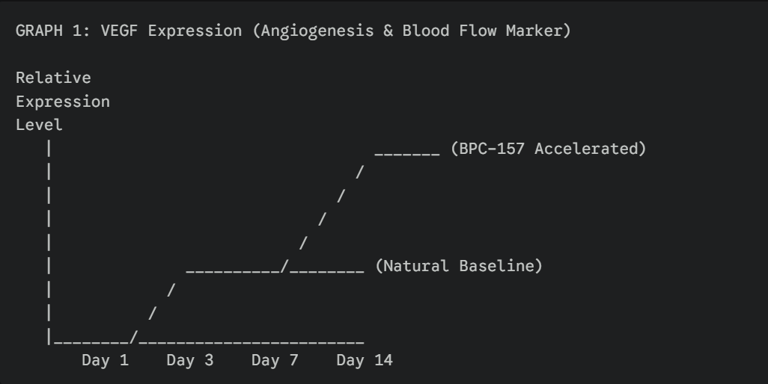
Stimulates Angiogenesis (VEGF Upregulation): Tissues like tendons and ligaments have poor natural blood supply (avascularity), which is why they take months to heal. BPC-157 directly upregulates Vascular Endothelial Growth Factor (VEGF). This triggers angiogenesis—the creation of brand new capillary networks—flooding the damaged tissue with oxygen and nutrients.
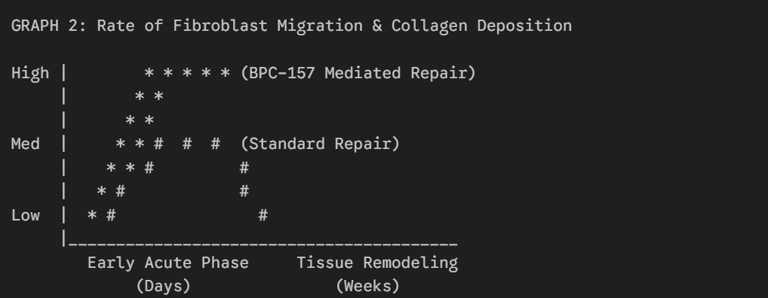
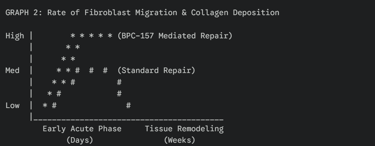
Accelerates Fibroblast Migration & Collagen Deposition: Fibroblasts are the cellular architects responsible for laying down new tissue. BPC-157 drastically increases the speed at which fibroblasts migrate to the injury site and accelerates the cross-linking of collagen fibers, structurally reinforcing the repair.
Protects Endothelial Function (eNOS Stabilization): By interacting with endothelial nitric oxide synthase (eNOS), it protects the inner lining of blood vessels. This prevents microvascular "leaks" and ensures steady blood flow during the inflammatory healing stages.
Cytokine & Inflammation Modulation: Rather than merely masking pain, it directly lowers pro-inflammatory cytokines like IL-6 and TNF-α. Concurrently, it interacts with Nerve Growth Factor (NGF) to heal damaged peripheral nerves.
Gut-Brain Axis Restoration: True to its gastric origins, the peptide repairs tight junctions in the intestinal wall, guarding against permeability (leaky gut) and soothing the enteric nervous system.
Physiological Impact Visualized:
Targeted Biological Benefits
Tendon and Ligament Rebuilding: By strengthening the crucial "tendon-to-bone" interface, it significantly limits the recovery downtime from notorious injuries like Achilles tears, patellar tendonitis, and rotator cuff strains.
Muscle Regeneration: Helps activate satellite cells to repair muscle fiber tears (Grade I and II strains) at an accelerated rate, restoring optimal contractile function without excess scar tissue.
Nerve and Gut Health: Frequently utilized to mitigate nerve damage symptoms (like sciatica or post-surgical numbness) and acts as a powerful therapeutic for gastrointestinal inflammation.
Synergistic Combinations (Stacking Concepts)
While highly effective alone, the biological pathways of BPC-157 can be uniquely combined with other compounds to maximize efficiency (dosing omitted):
BPC-157 + TB-500: The ultimate soft-tissue recovery combination. BPC-157 specializes in localized cellular regeneration (tendons/joints), while TB-500 promotes systemic cellular migration and actin production.
BPC-157 + Secretagogues (e.g., MK-677): Secretagogues increase systemic Growth Hormone and IGF-1 levels. This provides the macro-level signals and raw building blocks for growth, while BPC-157 handles the localized micro-cellular repair of the joints lifting the weight.
BPC-157 + Collagen Peptides & Vitamin C: A foundational, natural approach. Vitamin C acts as a catalyst for collagen synthesis, dietary collagen provides the raw amino-acid materials, and BPC-157 directs the repair process at the injury site.
Disclaimer: This information is for educational purposes only.